
Should You Play Dragon Link or Try It for Free First?
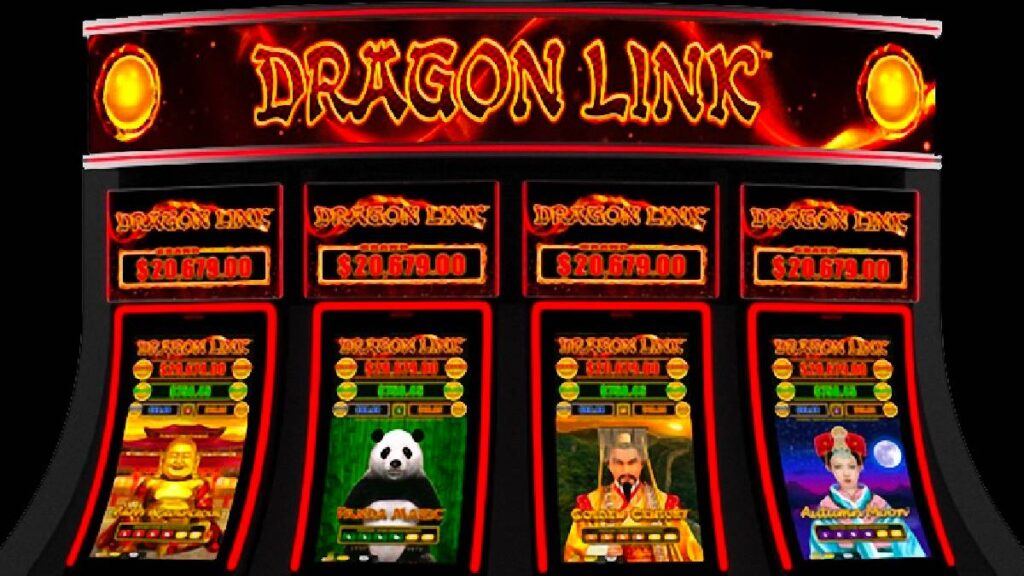

Dragon Link is a linked-jackpot pokie that combines familiar reel spins with bonus symbols, a hold-and-spin feature and the possibility of a changing top prize. Before deciding whether to play for money, it is worth understanding how the game’s mechanics work and what they do not tell you about your chances. A dragon link demo can help you examine the layout and bonus rounds without treating practice results as evidence of future winnings. The practical question is not whether the game can pay, but whether its volatility and cost suit your limits.

What makes this pokie different from a standard reel game?
Dragon Link generally belongs to the linked-progressive style of pokie, where a base game is connected to a broader jackpot system. Its presentation often centres on themed symbols, several prize levels and a bonus round in which cash values appear on special symbols. The exact paytable, jackpot structure and available denominations can differ between versions or venues, so the machine’s information panel should always take priority over general descriptions.
The most recognisable feature is usually a hold-and-spin bonus. During this feature, selected cash symbols remain fixed while a limited number of respins is provided. New cash symbols may appear during those respins, and the feature can end when the respins run out. Some versions include special symbols or jackpot triggers, but these are not guaranteed simply because the bonus has started. A dramatic bonus animation changes the experience, not the underlying need to check the rules.
That distinction matters because players can mistake a visible jackpot meter for a personal savings account. A progressive prize may increase as qualifying play occurs, but it is still awarded according to the game’s stated conditions and random outcomes. The meter does not mean a payout is “due”, and a previous large win does not make another one more or less likely on the next spin. Treat the jackpot as a possible outcome rather than the purpose of every wager.
How do the bonus symbols affect the decision?
Bonus symbols make the game easier to follow than many complicated pokies, but they can also make individual results feel more meaningful than they are. A spin that produces several cash symbols may look close to a major feature, while a near miss has no special mathematical status unless the rules explicitly say otherwise. Read the paytable to identify which symbols trigger a feature, which simply add value and whether a particular bet level is required.
Pay attention to the relationship between the stake and the displayed prizes. A cash symbol labelled with a multiplier may be calculated from the selected bet, while a fixed amount may not change in the same way. The machine or game rules should explain this. If the information is unclear, do not assume that increasing the stake improves every part of the outcome. It may alter eligibility or prize values without changing the chance of triggering a feature.
A useful way to test your understanding is to describe one complete outcome in plain language: what did you stake, which symbols appeared, what feature began, and how was the final amount calculated? If you cannot answer those questions from the paytable, the game is not yet clear enough for a cash session. A free-play mode can help with navigation and terminology, but it cannot reproduce the financial consequences of real wagering or establish a reliable winning pattern.
Which costs and risks deserve attention before playing?
The key cost is not the advertised jackpot but the total amount that can be lost while waiting for an interesting feature. A $1 stake repeated 100 times is $100 in turnover, even if individual spins feel inexpensive. Decide on a maximum loss before playing and regard it as the price of entertainment. Do not increase the stake to recover an earlier loss, and do not extend the session because a bonus round seems likely.
Volatility is another practical consideration. A high-volatility pokie can produce longer stretches of small or unsuccessful results interrupted by larger wins, whereas a lower-volatility game may distribute returns differently. Players cannot reliably identify volatility from the theme or from a short demonstration. Check any available game information, but remember that theoretical return figures describe long-run mathematical performance, not what one person should expect during an afternoon or evening.
Set boundaries that are easy to enforce. Useful controls can include a session timer, a spending limit, leaving cards or extra cash at home, and avoiding play when upset, tired or affected by alcohol. If gambling is becoming difficult to control, confidential support is available through Gambling Help Online. Seeking assistance is not an admission that you have failed; it is a practical response when entertainment has started affecting finances, relationships or wellbeing.
When is a free version genuinely useful?
Free play is most useful as a learning tool. It can show where the paytable sits, how a bet is selected, what the bonus symbols look like and how a hold-and-spin round is presented. This is particularly helpful if you dislike making decisions while other people are waiting or if the machine’s instructions are dense. Take notes on rules that affect eligibility, because those details can be easy to miss during an exciting feature.
Free results should not be used to choose a “lucky” version or predict what will happen with real money. Demo outcomes are separate events, and a run of bonus rounds does not create a forecast for later play. Even if the free game uses the same general mechanics as a cash version, it cannot show how you will react when every spin has a financial consequence. Practice familiarity, not prediction.
Use a simple test before moving from free play to cash: can you explain the minimum and maximum stake, the trigger conditions, the jackpot requirements, and the point at which you will stop? You should also know whether the chosen venue or service permits the game in your location and what account or payment rules apply. If any answer is uncertain, remain in demonstration mode or choose not to play. Curiosity is a sufficient reason to practise; it is not a reason to wager.
How can you compare Dragon Link with another pokie?
Compare mechanics rather than artwork. One game may offer a prominent jackpot feature but require a specific bet level, while another may have simpler bonus rules and a different pace of play. Look at the number of paylines or ways to win, minimum stake, maximum stake, bonus triggers, jackpot conditions and any stated theoretical return information. These details provide a more useful comparison than the size of a jackpot shown on the screen.
Consider how the game fits your preferred session length. A feature-heavy pokie can encourage repeated spins because the player is waiting for a particular bonus. If you prefer predictable spending, choose a game with a stake that is easy to calculate and avoid denominations that make the total cost hard to track. For example, setting a 30-minute limit and a fixed cash amount creates clearer boundaries than deciding to stop after the next feature.
Finally, compare the emotional effect, not only the mathematics. Flashing meters, near misses and escalating music can make a session feel urgent. If those elements lead you to chase losses or raise your stake, the game is a poor match regardless of its theme or potential prizes. A sensible decision may be to play only for free, choose a different form of entertainment, or leave the venue. No pokie is improved by money you cannot afford to lose.
Dragon Link questions players commonly ask
Does a jackpot become more likely after a long losing run?
No. Unless the published rules state a specific progressive condition, previous spins do not make the next spin due to produce a jackpot. A long losing sequence can feel significant, but it does not reset the game or create a reliable opportunity. Treat each outcome as independent and keep to the limit chosen before playing.
Is a free version a reliable way to practise winning?
No. A free version can teach the controls, symbols and bonus sequence, but it cannot predict cash results. Demo outcomes do not create a record of what will happen later, and a successful practice session does not prove that the game is favourable. Use free play for familiarity, not a betting system.
What should I check before staking real money?
Read the paytable and rules, confirm the minimum stake, understand the bonus and jackpot conditions, and decide your spending and time limits in advance. Check that the game is available under the relevant local rules and that you understand the venue’s terms. If the cost or mechanics are unclear, do not proceed.